
Since the late 90’s, blogs have grown from about 50 in 1999
to over 2 million in 2003, according to a 2005 article by Barbara Kaye in the
Atlantic Journal of Communication. Blogs are a repository for everything from
opinion pieces, to watchdog groups, to citizen journalists. With the help of
accessible technology, just about anyone can start a blog in a matter of
minutes and share their thoughts with the world. According to Kaye, journalists
are critical of bloggers and vice versa. Although, she goes on to identify why
journalist three motivations to use blogs; community, convenience and
information seeking. So how as a professional strategic communicator can you
add this tool to your mix? Let’s discuss.
As a strategic communicator, your job can be described in
about one sentence; communicate the message(s) of your client or organization
in a concise, professional manner to the benefit of both your stakeholders and
organization. While my definition is contained to about one sentence, it is much
more complicated than that. As a
professional communicator we use tools such as news releases to disseminate
information so media outlets can share that with our audience. We use letters
(I know, who really uses snail mail anymore, but it is still effective. I mean
come on, who doesn’t enjoy receiving a letter from someone you were not
expecting to get.) directly to stakeholders, newsletters, emails, social media,
articles, video and more.
A blog can be your most powerful tool to communicate your
message. Why? Because you have direct control over it’s content. A study from
Arizona State University’s Walter Cronkite School of Journalism and
Communication noted that blogs tend to be less credible because of the lack of
sources in a story and lack of varied viewpoints. This is a challenge for your
blog. Let’s take a look at an
organization that has used a blog successfully.

CPS Energy, which is the City of San Antonio’s municipal
energy company, began to operate a blog through their website several years
ago. The goal was the organization wanted a location where its over 1 million
customer could access for information about the company, stories, outage
questions and general energy saving tips. Tired or relying on traditional media
to get its message out, the energy company began posting to its own blog, http://newsroom.cpsenergy.com/blog/.
The organization posts multiple times per week. Looking at the last two weeks
worth of blog posts, there are feature posts about employees to humanize
workers, how the company helps low-income families, updates on initiatives, and
how the company is handling high demand during peak times during the summer.
Additionally, the blog is a resource for media outlets. CPS
Energy included a ‘newsroom’ with an archive of current and past news releases.
There is even a way to request logo usage, images, video and more. CPS Energy has found a way to communicate
their message with customers, listen and reply to feedback all without going
through traditional media outlets. The blog was so successful that it has won
communication accolades over the years for its success in communicating with
stakeholders.
Using the CPS Energy model, your company’s blog can become a
primary source of information to help support Kaye’s reasons why journalist use
blogs; community, convenience and information seeking.
So how can you help create your blog to be a resource for
your customers?
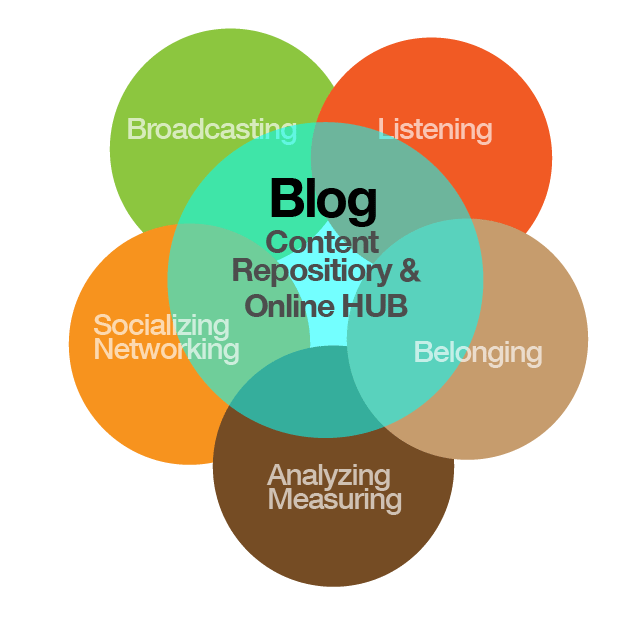
First, create a plan. Decide the goal of your blog;
communicate with customers, share critical information, be a destination for
media outlets. It’s very helpful to create an editorial/content calendar for
your blog. This will help alleviate having
to think about what to write every week. Mix in important messages with
feature-type content. In your articles, be sure to include quotes from the
proper staff to support each topic. I would even suggest going outside of your
organization for quotes. This will show your audience that your blog is seeking
additional sources to shape and support your story. Again, this leads back to
the more sources you have the more credible your information is perceived.
Through social media and other communication outlets, share
with customers your new resource of information. Be sure it’s mobile friendly,
as that will encourage stakeholders to come back if it’s formatted correctly.
If crisis situations emerge, your blog is a great tool to
share information with your customers and media. When time is crucial, the only
limitation your blog has is how quickly you can hit the ‘submit’ button. With
that said, your blog is filtered by traditional gatekeepers who have limited
time, column inches and possibly an agenda.
Each blog post has the opportunity for comment and I would
encourage you to open that option on your blog and engage with your customers.
This gives your audience a voice. What’s key is that you should engage with
your audience and let them know your organization is listening.
A blog for your business is a great way to communicate your
message to your audience. Incorporate a blog into your strategic communication
mix, and if managed correctly, could be your one of your highest trafficked page
on your website. If you can create your blog so that a journalist sees it as a
resource, a location for story ideas, you’ve done your job. If you can
accomplish this challenging task, then your job as a strategic communicator has
become a little easier.
No comments:
Post a Comment